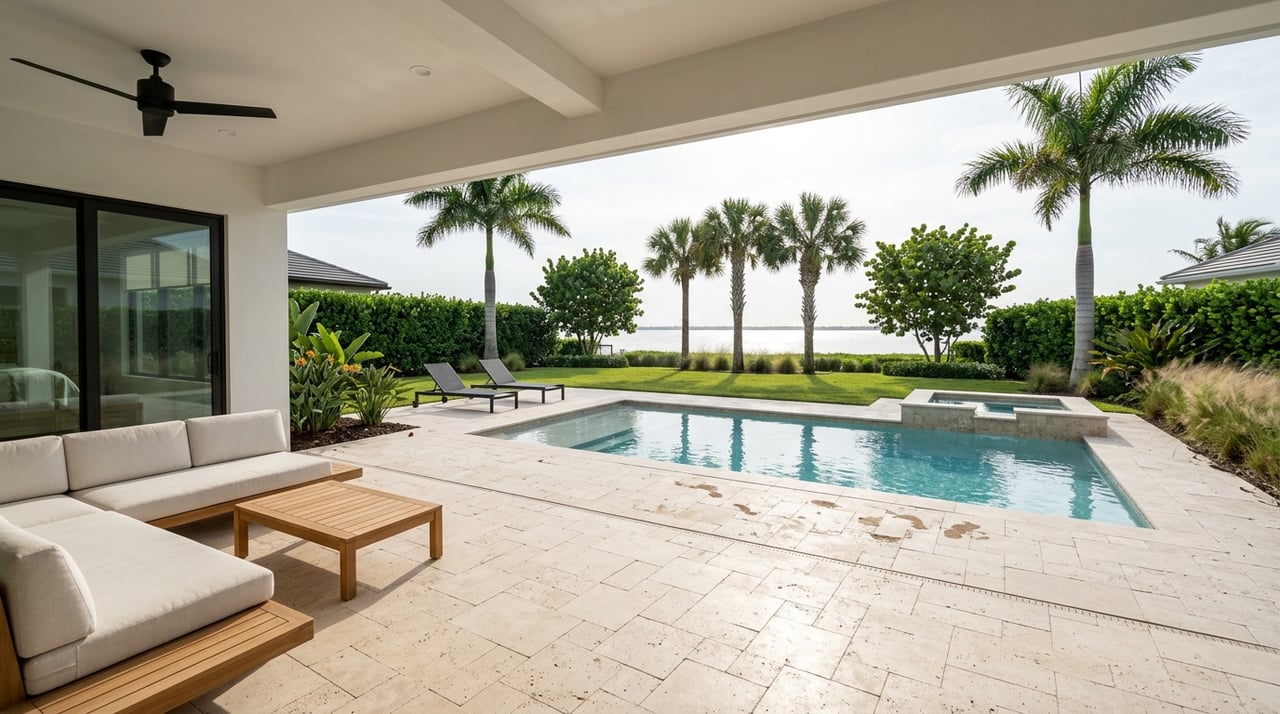
Selling an estate home along South Tropical Trail is not the same as selling a typical Merritt Island property. Buyers here are often judging the land, the water, the privacy, and the paperwork just as closely as they judge the house itself. If you want a stronger sale with fewer surprises, it helps to understand what serious buyers are looking for and how to prepare before your home hits the market. Let’s dive in.
Why South Tropical Trail Sells Differently
South Tropical Trail has a distinct identity within Merritt Island. Brevard County planning documents describe the corridor as low-density, strongly residential, and shaped by water, open space, and larger lots.
That matters because buyers are not just shopping for square footage. They are often paying close attention to privacy, lot size, river or lagoon adjacency, mature landscaping, and the overall feel of the site.
For many estate properties, the value story starts outside. A long driveway, usable waterfront, a protected view corridor, and well-planned outdoor living can shape buyer interest as much as interior finishes.
Price the Property Like a Waterfront Estate
Island-wide median prices can offer some context, but they are not enough for a South Tropical Trail estate. Recent market trackers for Merritt Island and ZIP code 32952 show a wide spread, with median or average figures ranging from the low $400,000s to the low $500,000s depending on the source and methodology.
That spread is exactly why estate pricing needs to be more precise. A waterfront home along South Tropical Trail should be evaluated using recent riverfront or waterfront comparables, plus specific adjustments for frontage, dockage, elevation, seawall condition, updates, and view quality.
Market conditions also suggest discipline matters. Recent reporting has described Merritt Island as somewhat competitive to balanced, with homes taking roughly 43 to 76 days depending on the source. In this kind of market, polished presentation and smart pricing usually matter more than assuming a unique location will do all the work for you.
What a smart pricing review should include
- Recent waterfront and riverfront comparable sales
- Lot value and usable frontage
- Dock, lift, and seawall condition
- View orientation and outdoor living appeal
- Flood zone, elevation, and possible insurance friction
- Buyer profile, such as local move-up, second-home, or relocation demand
Prepare Before You List
The best estate sales often start with paperwork, not paint. Along South Tropical Trail, informed buyers are likely to ask detailed questions about flood zones, elevation, permits, utilities, shoreline improvements, and drainage.
If you can answer those questions early, you reduce uncertainty. That can improve buyer confidence and help your home feel more market-ready from day one.
Brevard County notes that floodplain development requires a building permit. The county also treats reconstruction, rehabilitation, additions, or other improvements costing at least 50% of a structure’s market value as a substantial improvement, which can trigger stricter standards, including elevation requirements.
That is important if you are thinking about a major pre-listing project. A large renovation may not be a simple cosmetic decision if it pushes the property into a different permitting or compliance category.
Documents that help buyers move faster
- Flood zone information
- Elevation certificate, if available
- Survey and legal description
- Site plan
- Permit history for roof, windows, shutters, additions, pool, dock, seawall, and generator
- Sewer or septic records
- Recent inspection reports for major systems, seawall, dock, and drainage
Check Waterfront Improvements Carefully
Waterfront features can add major appeal, but they also need clean documentation. Brevard County requires permitting for work on the shoreline of the Indian River Lagoon system, including canals, and county review also addresses stormwater management to reduce runoff impacts to the Lagoon.
For sellers, this means common estate-home upgrades deserve a closer look before listing. Dock repairs, seawall work, boat lifts, patios, hardscape additions, impact windows, hurricane shutters, and exterior changes may all involve permit considerations.
If those records are incomplete or unclear, buyers may hesitate. On a premium property, hesitation can affect both timing and leverage during negotiations.
Key waterfront items to verify
- Dock and lift permit status
- Seawall condition and repair history
- Shoreline work approvals
- Pool and patio records
- Impact window or shutter permits
- Drainage and stormwater considerations
Clarify Sewer or Septic Early
Utility details matter more than many sellers expect. Brevard County identifies a Merritt Island sewer service area, and county materials also show ongoing sewer and septic-related work that may affect some properties.
If your estate home is on septic, buyers will want to know. If it is on sewer, they may ask for records tied to connection or lateral work. If there is pending utility correspondence, that should be reviewed before the home goes live.
This is one of those details that can feel minor at first and become a bigger issue later. Clear answers upfront usually create a smoother path through contract and inspection.
Time the Sale With Storm Season in Mind
Timing matters for any listing, but it matters even more for coastal and waterfront homes. Atlantic hurricane season runs from June 1 through November 30, and Brevard County notes that flood insurance policies typically have a 30-day waiting period before taking effect.
That can create friction for buyers if they are still sorting out insurance late in the process. Sellers often benefit from getting photography, inspections, elevation information, and permit records lined up before storm season adds another layer of decision-making.
This does not mean you cannot sell during hurricane season. It means preparation becomes even more valuable when weather and insurance questions are more top of mind.
Market the Property as a Site, Not Just a House
Along South Tropical Trail, buyers are often buying a setting as much as a structure. County planning materials show that residents are drawn to the area for neighborhood character, lot size, and proximity to the Indian River.
That is why marketing should explain how the property lives on the land. Buyers want to understand frontage, orientation, privacy, outdoor rooms, dock access, view lines, and what they can actually experience from the site.
A standard photo package is rarely enough for a property like this. Estate homes often benefit from a more complete presentation that shows the relationship between the house, the water, the lot, and the surrounding open space.
Marketing assets that matter most
- Aerial photography showing lot context and waterfront position
- Twilight images that capture outdoor living and water views
- Floor plans that connect interior spaces to the site
- Clear visuals of dock access, frontage, and shoreline features
- Messaging that explains privacy, orientation, and usable outdoor space
County materials also note that some residents value clear views of space launches. For the right property, that can be part of the story, but it should be presented factually as a view-related feature rather than hype.
Protect Privacy During Showings
Privacy is one of the area’s most valuable features, so your showing strategy should reflect that. Buyers drawn to South Tropical Trail often want a low-traffic setting, larger lots, and a more private waterfront experience.
For many occupied estate homes, appointment-only showings make the most sense. A more controlled schedule can reduce disruption, protect outdoor areas, and create a better experience for qualified buyers who want time to understand the property.
This is especially important when the home includes docks, waterfront improvements, extensive grounds, or multiple outdoor living areas. The showing should feel intentional, not rushed.
Questions Buyers Will Likely Ask
Well-prepared sellers usually have an advantage because buyer questions here are predictable. If you are ready with accurate answers, you can reduce uncertainty and keep negotiations focused on value.
Expect questions about
- Whether the property is in a flood zone
- Current elevation information
- Flood insurance estimates
- Septic or sewer service
- Permit history for major improvements
- Dock, seawall, lift, and pool condition
- Privacy from neighboring properties
- How the view and waterfront setting affect value
Why Preparation Can Affect the Final Result
A South Tropical Trail estate home is often a complex waterfront sale. The strongest outcomes usually come from careful pricing, complete documentation, thoughtful timing, and marketing that presents the full property story.
When buyers can clearly understand the site, the improvements, the permits, and the waterfront details, they are better able to act with confidence. That can support stronger offers and a smoother transaction from listing through closing.
If you are thinking about selling an estate home along South Tropical Trail, working with a team that understands luxury waterfront positioning, visual marketing, and the local details that matter can make a meaningful difference. When you are ready to plan your next move, connect with Dewayne Carpenter.
FAQs
What makes selling an estate home on South Tropical Trail different from selling another Merritt Island home?
- Buyers often focus heavily on privacy, lot size, waterfront location, view quality, dock potential, utilities, and documentation, not just the house itself.
How should you price a South Tropical Trail estate home in Merritt Island?
- Pricing should rely on recent waterfront comparables and adjust for frontage, elevation, seawall and dock condition, updates, and view quality rather than broader island-wide averages alone.
What documents should you gather before listing a South Tropical Trail waterfront home?
- Useful records include flood zone information, elevation certificates if available, surveys, permit history, sewer or septic records, and recent inspection reports for major systems and waterfront improvements.
Do waterfront improvements on South Tropical Trail need permits?
- Brevard County requires permitting for many shoreline and exterior improvements, including certain dock, seawall, boat lift, window, shutter, patio, and other waterfront-related projects.
Why does hurricane season matter when selling a waterfront home in Merritt Island?
- Hurricane season can add insurance and timing challenges, and flood insurance policies typically have a 30-day waiting period before taking effect, so early preparation can help reduce delays.
What do buyers usually want to know about a South Tropical Trail property before making an offer?
- Buyers commonly ask about flood zone status, elevation, insurance, sewer or septic service, permit history, seawall and dock condition, privacy, and the impact of water views on value.